Fleetroot

fleetroot-logo

All-In-One tool for Optimizing Connected Operation

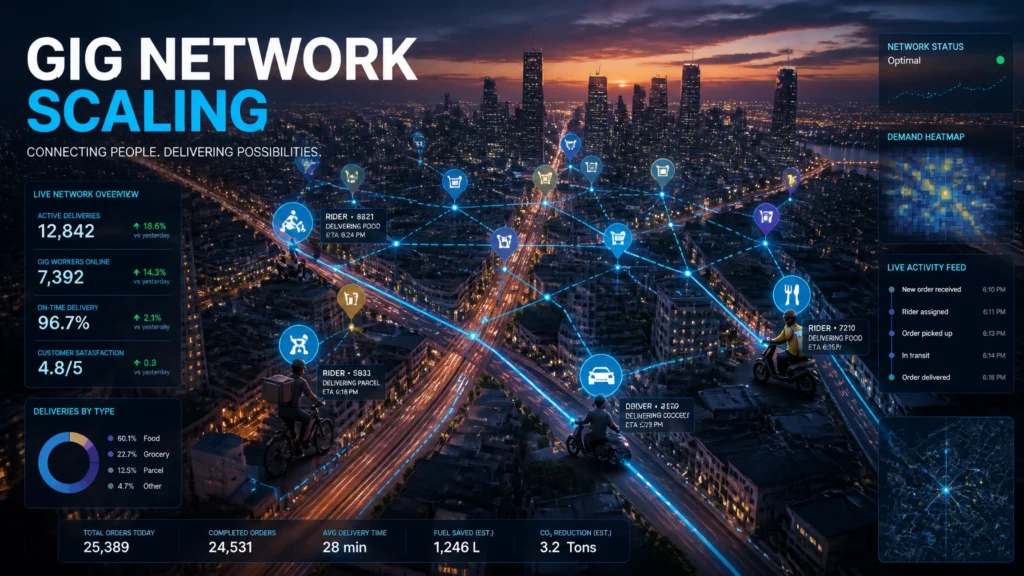
Blending Humans and Algorithms: The Art of Managing a Gig Driver Network at Scale

OPERATIONAL STATUS: SCALING THE GIG ECONOMY Crowdsourced delivery is no longer an edge case. It is a core requirement for 3PLs and retail operations. The shift toward a gig economy delivery model allows for extreme elasticity. Businesses can scale capacity from 10 drivers to 1,000 drivers in response to peak demand. However, scaling human networks …

Blending Humans and Algorithms: The Art of Managing a Gig Driver Network at Scale Read More »
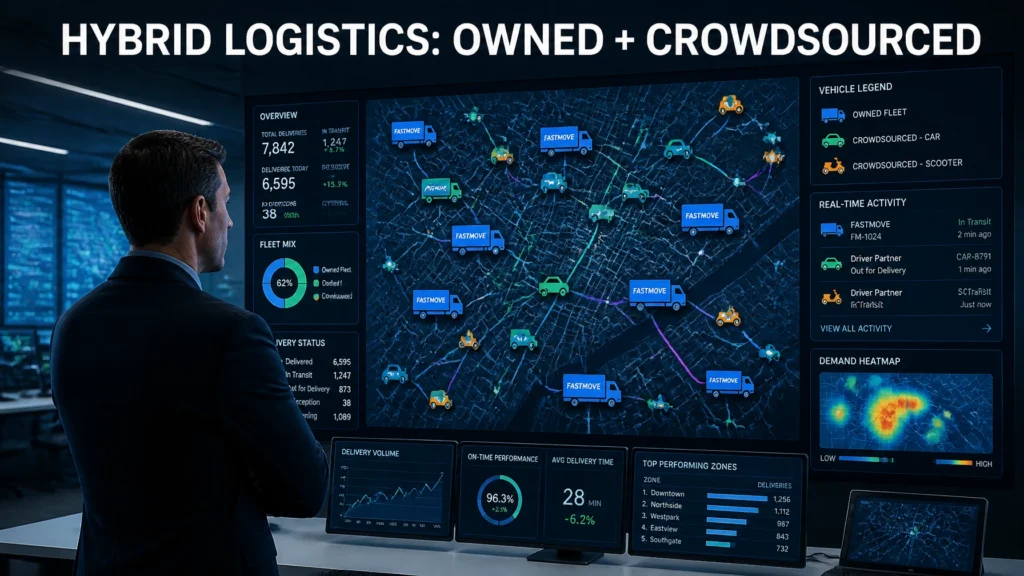
Owned Fleet vs. Crowdsourced: Why the Smartest 3PLs Run a Hybrid Model

Operational Overview: The Fleet Dilemma Logistics providers face a binary choice: asset-heavy or asset-light. Modern 3PL demand is non-binary. High-volume, predictable contracts require stability. Rapid e-commerce surges require elasticity. Choosing one model results in inefficiency. Under-utilization during troughs or service failure during peaks are the primary risks. Owned Fleet: The Control Layer Maintaining an owned …

Owned Fleet vs. Crowdsourced: Why the Smartest 3PLs Run a Hybrid Model Read More »

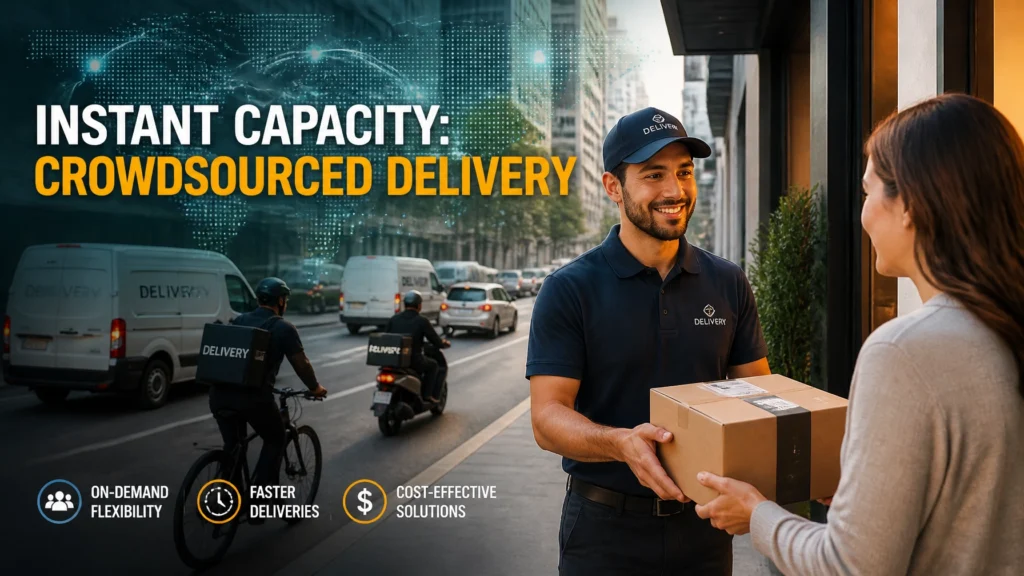
Instant Capacity, Zero Overhead: Why Crowdsourced Delivery Is the Ultimate Elasticity Play

Status: Capacity Limits Detected Traditional logistics models are failing. Demand is no longer linear. It is volatile. Fixed fleets cannot handle rapid spikes. They are built for averages. Averages lead to missed deliveries during peaks. They lead to idle costs during lulls. System error: Inelasticity. Modern 3PLs and retailers require a dynamic capacity layer. They …

Instant Capacity, Zero Overhead: Why Crowdsourced Delivery Is the Ultimate Elasticity Play Read More »

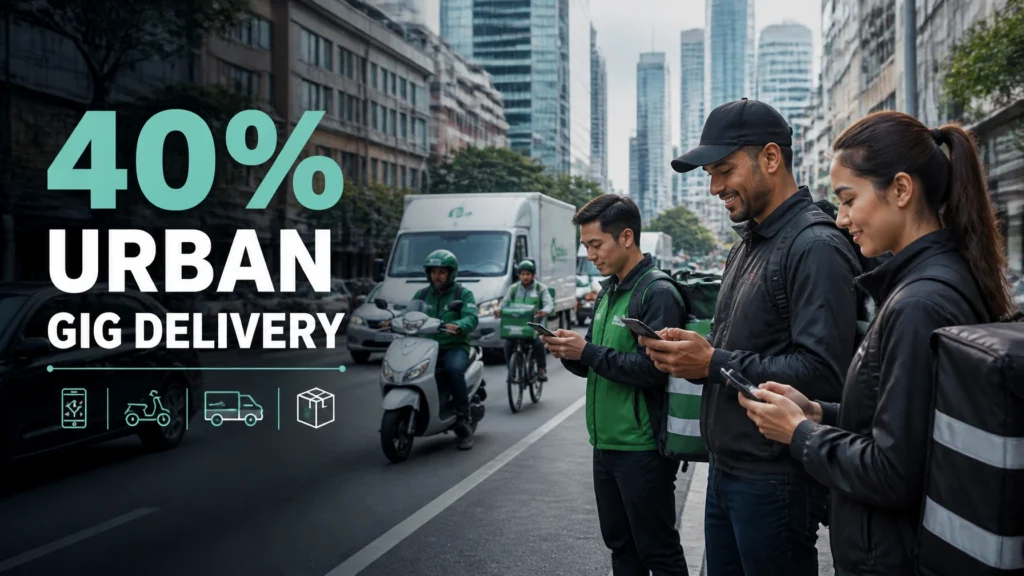
Uber Direct, Walmart Spark, Amazon Flex : How Gig Delivery Is Reshaping 40% of Urban Logistics

System Overview: The Gig-Economy Transformation Urban logistics is shifting toward a decentralized, crowdsourced model. Current market projections indicate gig-based networks will handle 40% of all urban last-mile deliveries by late 2026. This transition is driven by the rapid scaling of three primary platforms: Uber Direct, Walmart Spark, and Amazon Flex. Traditional logistics models rely on …

Uber Direct, Walmart Spark, Amazon Flex : How Gig Delivery Is Reshaping 40% of Urban Logistics Read More »

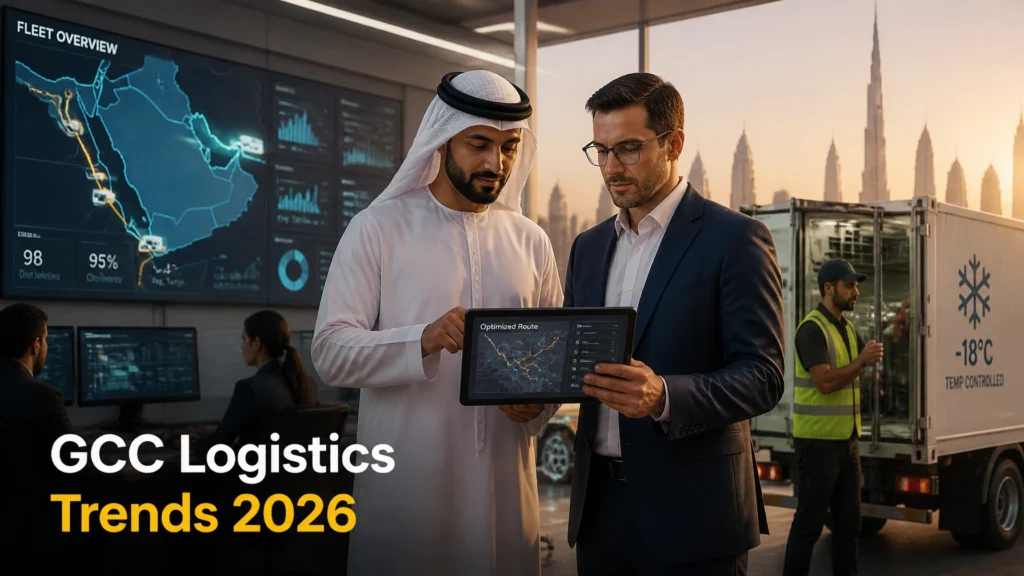
GCC Logistics Trends 2026: 7 Technologies Reshaping Delivery Operations

System State: GCC Logistics Landscape 2026 The logistics market in the GCC has shifted. Saudi Arabia and the UAE are primary nodes. Market valuation for freight and logistics is projected at USD 89.32B for the 2026 period. Urbanization and e-commerce volumes drive this growth. Digitalization is no longer optional. Logistics technology is the core operating …

GCC Logistics Trends 2026: 7 Technologies Reshaping Delivery Operations Read More »

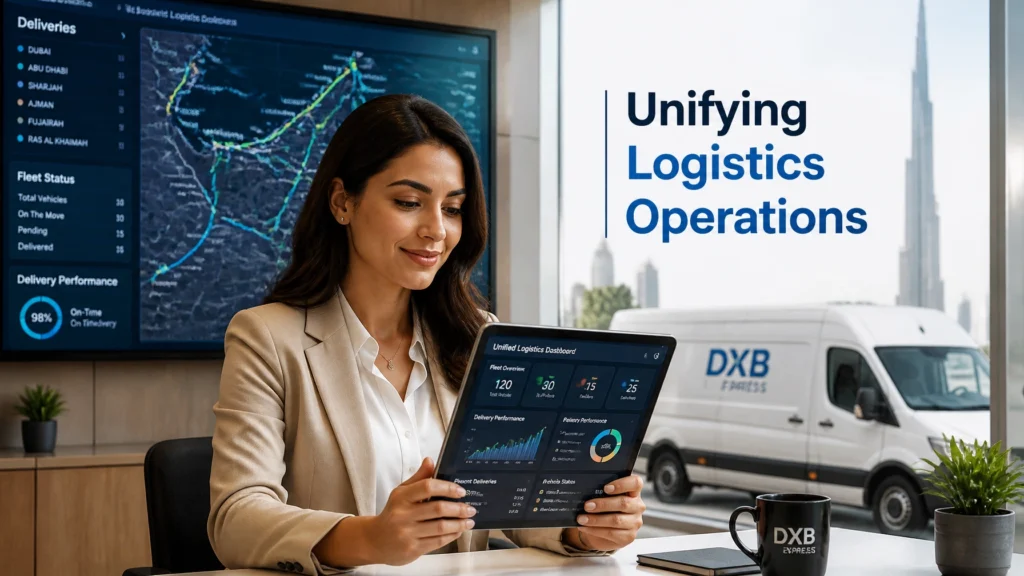
From Data Silos to Unified Operations: The Next Evolution of Logistics Platforms

Logistics systems are currently fragmented. Most 3PL, retail, and pharma operations run 4–5 disconnected software instances. This results in data silos and operational latency. Current System Status: Fragmented Operating environments typically utilize separate tools for distinct functions. These include: ERP Systems: Managing orders and inventory. GPS/Telematics: Tracking vehicle hardware. Dispatch Software: Manual or semi-automated route …

From Data Silos to Unified Operations: The Next Evolution of Logistics Platforms Read More »

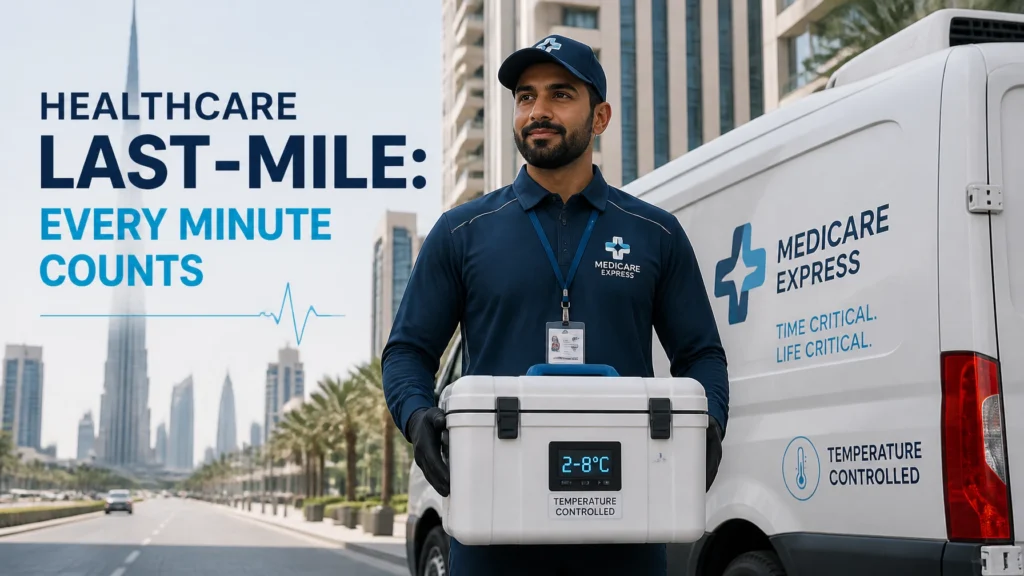
Last-Mile Logistics in Healthcare: Why Every Minute Matters

The healthcare logistics sector in the GCC is experiencing rapid expansion. Market data indicates a projected CAGR of 8.65% through 2031. This growth is driven by increased healthcare spending in Saudi Arabia and the UAE, alongside a shift toward home-based care. In this environment, logistics is not a back-office function. It is a critical component …

Last-Mile Logistics in Healthcare: Why Every Minute Matters Read More »

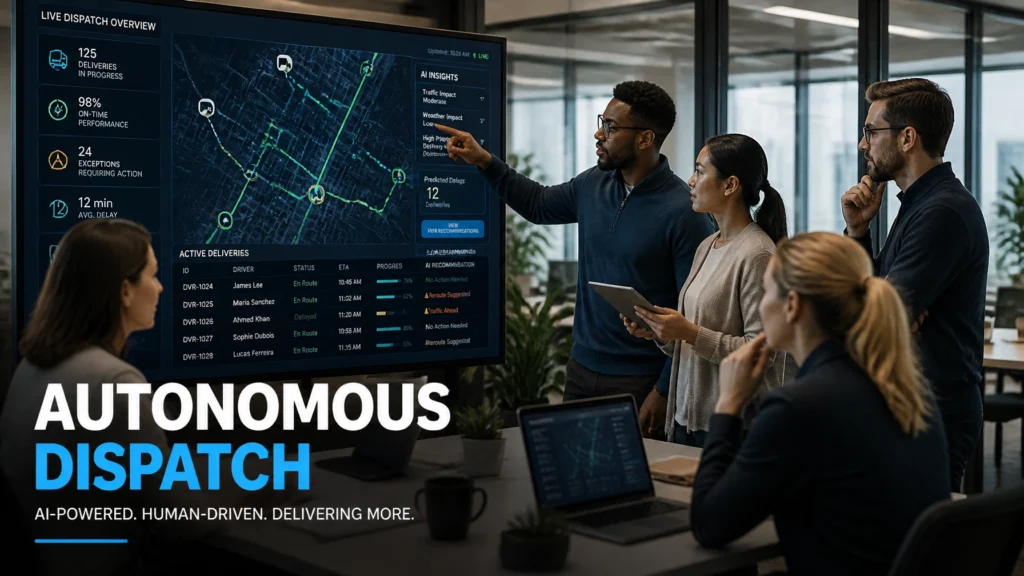
The Rise of Autonomous Dispatch: Why Logistics Teams Are Letting AI Make Delivery Decisions

Manual dispatching systems are no longer viable for high-volume logistics. Human planners cannot process the millions of data points generated per minute in a modern supply chain. The industry is transitioning to autonomous dispatch. This shift is not theoretical. It is an operational necessity. Manual Dispatch Failure at Scale Manual dispatching operates on a linear …

The Rise of Autonomous Dispatch: Why Logistics Teams Are Letting AI Make Delivery Decisions Read More »

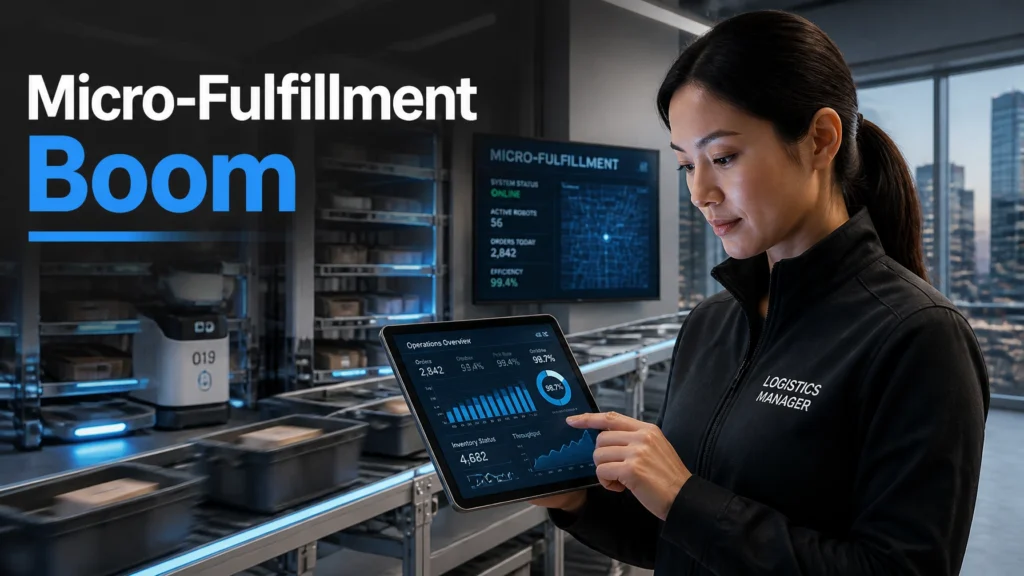
The Micro-Fulfillment Boom: Why Modern Retailers are Moving the Warehouse to the City Center

Logistics orchestration is shifting. Regional distribution centers (DCs) are no longer sufficient for modern delivery requirements. Urban proximity is now mandatory. This shift is driven by the rise of Micro-Fulfillment Centers (MFCs). Defining Micro-Fulfillment Centers A Micro-Fulfillment Center is a small-scale warehouse located within a dense urban area. These facilities typically occupy 5,000 to 25,000 …

The Micro-Fulfillment Boom: Why Modern Retailers are Moving the Warehouse to the City Center Read More »

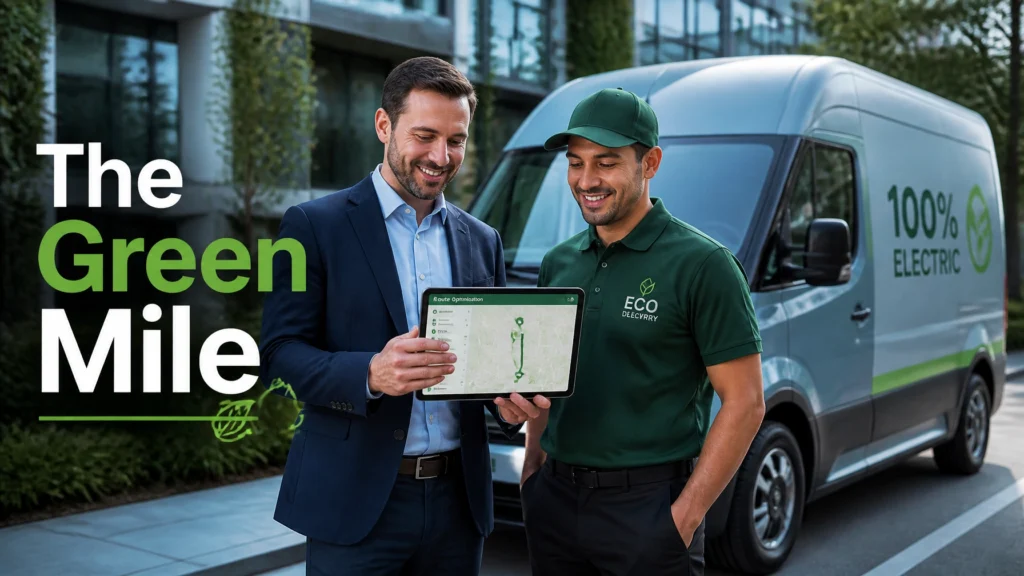
The Green Mile: How 3PLs are Turning Sustainability into a Competitive Edge

Operational efficiency now incorporates environmental impact as a primary metric. Sustainability is no longer a peripheral corporate social responsibility (CSR) goal. It is a core performance indicator for Third-Party Logistics (3PL) providers. Shippers require measurable carbon reduction to meet global ESG (Environmental, Social, and Governance) standards. Failure to provide this data results in contract termination …

The Green Mile: How 3PLs are Turning Sustainability into a Competitive Edge Read More »

Scroll to Top